


Select City


Select City
Date of posting: 24-02-2025
Reading time: 6 min read
Diabetes is one of the most common chronic health conditions affecting millions of people worldwide. It occurs when the body is unable to effectively regulate blood sugar (glucose) levels, leading to various health complications if left unmanaged.
Glucose is the body's primary source of energy and comes from the food we eat. Insulin, a hormone produced by the pancreas, helps move glucose from the bloodstream into the body's cells, where it is used for energy. When the body does not produce enough insulin or cannot use insulin effectively, glucose accumulates in the blood, resulting in diabetes.
While diabetes is a lifelong condition, it can be effectively managed through proper medical care, lifestyle modifications, regular monitoring, and professional support.
Diabetes mellitus is a metabolic disorder characterized by elevated blood sugar levels. Over time, uncontrolled diabetes can damage blood vessels, nerves, kidneys, eyes, and other vital organs.
When blood glucose levels remain consistently high, the body becomes less efficient at using energy, increasing the risk of serious health complications such as:
Although there is currently no permanent cure for diabetes, early diagnosis and proper management can help individuals lead healthy and active lives.
Maintaining healthy blood sugar levels is essential for preventing diabetes-related complications.
| Blood Sugar Level | Interpretation |
|---|---|
| 90–110 mg/dL (fasting) | Normal |
| 110–140 mg/dL (post-meal) | Normal |
| 140–160 mg/dL | Prediabetes |
| Above 160 mg/dL | Diabetes |
To effectively manage diabetes:
There are several types of diabetes, each with different causes and treatment approaches.
Type 1 diabetes is an autoimmune condition in which the body's immune system mistakenly attacks and destroys the insulin-producing cells in the pancreas.
As a result, the body produces little or no insulin.
Type 2 diabetes occurs when the body becomes resistant to insulin or does not produce enough insulin to maintain normal blood sugar levels.
It is the most common form of diabetes, accounting for approximately 90–95% of all cases.
Gestational diabetes develops during pregnancy due to hormonal changes that affect insulin function.
It is usually diagnosed through a Glucose Tolerance Test (GTT).
Proper blood sugar control during pregnancy helps protect both mother and baby from complications.
Prediabetes occurs when blood sugar levels are higher than normal but not high enough to be classified as Type 2 diabetes.
The good news is that prediabetes can often be reversed through lifestyle changes.
MODY is a rare inherited form of diabetes caused by genetic mutations. It typically develops before the age of 25 and often runs in families.
This rare condition develops in infants younger than six months and results from genetic abnormalities affecting insulin production.
Conditions such as:
can impair insulin production and lead to diabetes.
Long-term use of corticosteroids may increase blood sugar levels and contribute to diabetes development.
Diabetes symptoms often develop gradually and may go unnoticed in the early stages.
Common symptoms include:
If you experience any of these symptoms, consult a healthcare professional for evaluation.
When diabetes remains uncontrolled, it can lead to serious health complications.
Early diagnosis and regular monitoring are essential to prevent these complications.
Successful diabetes management involves a combination of medical treatment, lifestyle changes, and regular monitoring.
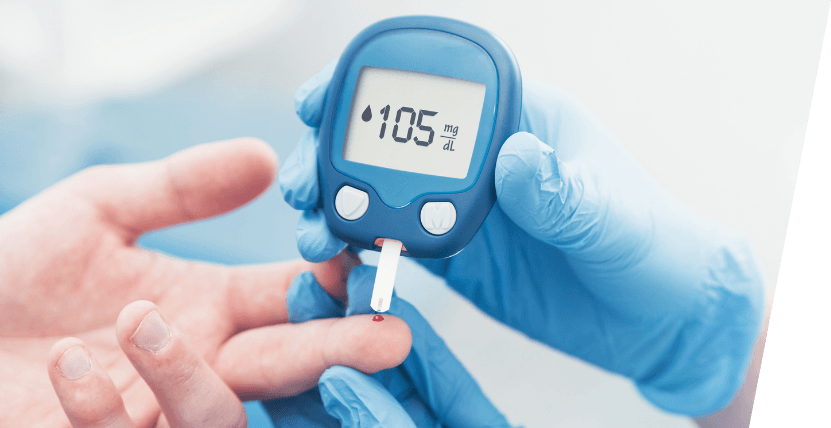
Regular blood glucose monitoring helps patients and healthcare providers assess treatment effectiveness and make necessary adjustments.
A balanced diet is one of the most important components of diabetes management.
Regular exercise helps:
Aim for at least 150 minutes of moderate physical activity each week.
For many individuals with Type 2 diabetes, oral medications may help control blood sugar levels.
Doctors prescribe medications based on:
Insulin therapy is essential for:
Insulin may be administered through:
An insulin pump continuously delivers insulin and helps maintain stable blood sugar levels throughout the day.
Diabetes is a dynamic condition that requires ongoing monitoring and medical supervision.
Regular health assessments help:
Monitoring may include:
Managing diabetes becomes easier with the right support system. Apollo Homecare offers comprehensive diabetes management services in the comfort of your home.
Our experienced healthcare professionals work closely with patients and families to help achieve better diabetes control and improve quality of life.
Diabetes is a manageable condition when diagnosed early and treated appropriately. Understanding the different types of diabetes, recognizing symptoms, monitoring blood sugar levels, and adopting healthy lifestyle habits can significantly reduce the risk of complications.
With regular medical supervision and the right support, individuals living with diabetes can lead active, healthy, and fulfilling lives.
Whether you have recently been diagnosed with diabetes, are managing it long-term, or caring for a loved one, Apollo Homecare is here to support you every step of the way.
Our professional healthcare team provides personalized diabetes care services, helping you manage your condition safely and effectively from the comfort of your home.
📞 1800 108 8586
Experience comprehensive diabetes management at home with Apollo Homecare.

Written by:
Apollo HomeCare is a trusted name in home healthcare, dedicated to delivering world-class medical care to patients in the comfort of their homes. With a team of expert doctors, nurses, and therapists, Apollo HomeCare provides personalized healthcare solutions, from post-surgical care and chronic disease management to physiotherapy and elder care. As a thought leader in the healthcare industry, Apollo HomeCare shares insightful blogs on home healthcare trends, wellness tips, and expert medical guidance to help individuals and families make informed health decisions. Our mission is to ensure quality healthcare is accessible, convenient, and compassionate.


