

Select City


Select City
Date of posting: 02-03-2025
Reading time: 4 min read
Immunization is one of the most effective and cost-efficient public health interventions available today. It protects individuals and communities from potentially life-threatening infectious diseases by strengthening the body's natural defense mechanisms.
According to global health estimates, immunization prevents millions of deaths every year and significantly reduces the burden of infectious diseases. From infancy to adulthood, vaccines play a crucial role in maintaining long-term health and promoting healthy ageing.
Understanding how immunization works, the different types of immunization, and the recommended vaccination schedule can help individuals make informed healthcare decisions for themselves and their families.
Immunization is the process of making a person immune or resistant to an infectious disease, usually through the administration of a vaccine. Vaccines stimulate the body's immune system to recognize and fight disease-causing organisms before they can cause illness.
Once vaccinated, the immune system develops protective antibodies and memory cells that help defend against future infections.
Immunization not only protects individuals but also contributes to community protection by reducing the spread of infectious diseases.
There are two primary types of immunization:
Active immunization occurs when the body's immune system produces its own antibodies after exposure to a disease-causing organism or a vaccine.
Vaccinations are the most common form of active immunization. The protection developed through active immunization is typically long-lasting and, in many cases, lifelong.
Passive immunization involves transferring pre-formed antibodies from one individual to another. This provides immediate protection but is generally temporary.
Examples include maternal antibodies passed to newborns during pregnancy and antibody-based treatments used in certain medical conditions.
When a vaccinated individual is exposed to a virus or bacteria, the immune system recognizes the pathogen because it has encountered a similar harmless version through vaccination.
The immune system responds quickly by producing antibodies and activating immune cells that destroy the invading organism before it can cause severe illness.
This rapid immune response helps prevent infection or significantly reduces disease severity.
Vaccines help protect against numerous infectious diseases, including:
Certain individuals should seek medical advice before receiving vaccines, including:
Although often used interchangeably, vaccination and immunization are not exactly the same.
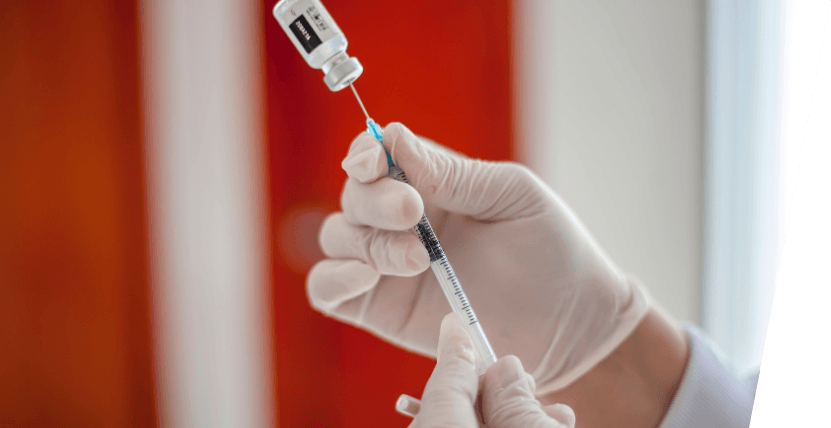
Vaccination refers to the process of administering a vaccine into the body to stimulate an immune response.
Immunization refers to the protection gained after the immune system responds successfully to the vaccine and develops immunity.
In simple terms, vaccination is the action, while immunization is the result.
A healthcare professional can recommend age-appropriate vaccines and identify any precautions based on your medical history.
These documents provide important details about vaccine benefits, risks, and possible side effects.
Mild side effects such as soreness, low-grade fever, or irritability are common. Understanding after-care instructions can help manage these symptoms effectively.
Maintaining accurate vaccination records helps ensure timely booster doses and prevents unnecessary repeat vaccinations.
If vaccination records are unavailable, consider:
If records cannot be located, your healthcare provider may recommend repeating certain vaccines or conducting blood tests to assess immunity.
Vaccination is not only important during childhood but also throughout adulthood.
Many vaccines require booster doses to maintain protection. Diseases such as tetanus and diphtheria can re-emerge if immunity declines over time.
Adult vaccination helps protect against serious illnesses and supports healthy ageing by maintaining long-term immunity.
Immunization remains one of the most effective ways to prevent infectious diseases and protect public health. From infancy through adulthood, vaccines help individuals develop immunity, reduce disease complications, and contribute to healthier communities.
Following recommended vaccination schedules, maintaining immunization records, and consulting healthcare professionals regularly can ensure lifelong protection against vaccine-preventable diseases.
Apollo Homecare is committed to making preventive healthcare more accessible and convenient. We offer vaccination services at home for children, adults, and senior citizens, delivered by trained and experienced nursing professionals.
Our home vaccination services ensure safety, comfort, and timely immunization without the need to visit a healthcare facility. Whether you require routine vaccinations, travel vaccines, or adult immunization services, Apollo Homecare brings trusted healthcare directly to your doorstep.
For vaccination services and healthcare support at home, call Apollo Homecare at 1800 108 8586.

Written by:
Apollo HomeCare is a trusted name in home healthcare, dedicated to delivering world-class medical care to patients in the comfort of their homes. With a team of expert doctors, nurses, and therapists, Apollo HomeCare provides personalized healthcare solutions, from post-surgical care and chronic disease management to physiotherapy and elder care. As a thought leader in the healthcare industry, Apollo HomeCare shares insightful blogs on home healthcare trends, wellness tips, and expert medical guidance to help individuals and families make informed health decisions. Our mission is to ensure quality healthcare is accessible, convenient, and compassionate.


