


Select City


Select City
Date of posting: 24-02-2025
Reading time: 7 min read
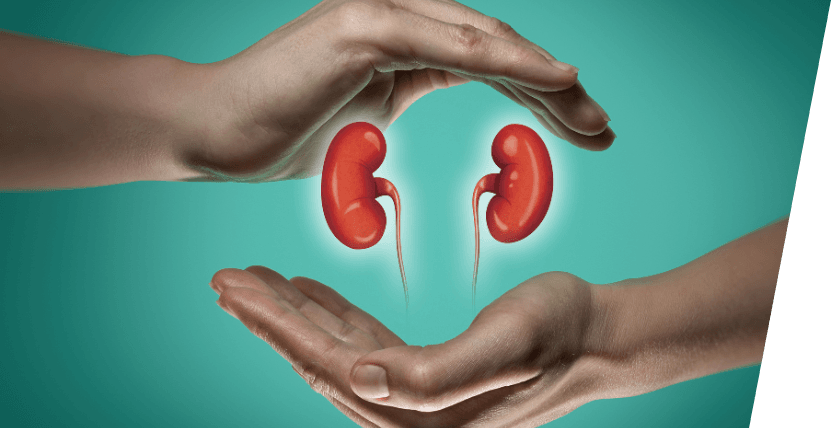
The critical significance of the kidneys in maintaining overall systemic health is frequently underappreciated, particularly among individuals who have never personally experienced a renal condition. The human kidneys are powerhouses of biological filtration, responsible for a multitude of vital functions. These include the continuous purification of blood, precise regulation of the body's internal chemical balance, blood pressure control, the stimulation of red blood cell production in the bone marrow, and the efficient conversion of metabolic waste products and excess fluids into urine.
As the body ages, kidney function naturally undergoes structural shifts. Notably, at least 50% of all kidney patients seeking clinical consultation with nephrologists are elderly. Chronic kidney disease (CKD) is highly prevalent among senior citizens, with approximately 40% of individuals aged 60 and above exhibiting some degree of impaired kidney function.
Multiple interlinked factors contribute to these senior kidney problems, including the natural biological aging process, age-related medical ailments, long-term lifestyle choices such as active smoking or alcohol consumption, and the cumulative impact of various pharmaceutical medications or unmonitored herbal preparations. World Kidney Day serves as a vital annual reminder to appreciate the rigorous work our kidneys perform and to actively prioritize their structural well-being.
To safeguard the health of your elderly loved ones, it is essential to understand the underlying triggers of renal strain and recognize the early warning signs of decline.
Long-standing Type 1 or Type 2 Diabetes
Chronic high blood pressure (Hypertension)
Pre-existing cardiovascular (heart) disease
Clinical obesity
Elevated blood cholesterol profiles
Autoimmune disorders such as Lupus
A direct family history of chronic kidney disease
As kidney filtration efficiency drops, toxic waste products accumulate in the bloodstream, leading to a distinct cluster of physical symptoms:
Persistent nausea and vomiting
Chronic physical exhaustion and lethargy
Severe sleeping disorders or a sharp loss of appetite
A noticeable decline in mental acuity, focus, or cognitive clarity
Frequent, painful muscle cramps and localized muscle twitching
Visible swelling (edema) in the ankles, feet, and hands
Consistent, intense skin itching without an obvious rash
Shortness of breath or localized chest pain caused by fluid retention
World Kidney Day highlights that while renal decline is a serious condition, individuals and caregivers can implement highly effective, structured measures to manage chronic kidney disease in elderly patients successfully:
To prevent further microvascular damage to the kidneys' delicate filtration units, seniors must maintain a stable blood pressure goal of less than 140/99 mm Hg. Working alongside a doctor is essential to build a comprehensive lifestyle strategy to achieve this metric. Core interventions typically involve drastically reducing daily dietary sodium intake, increasing low-impact physical movement, completely quitting tobacco use, and ensuring adequate, restful sleep each night.
Continuous, proactive monitoring of kidney disease is non-negotiable because the condition can progress silently without pain. Regular checkups allow your physician to carefully assess changes in functional output and detect micro-damage early.
The primary clinical objective is to maintain a stable Glomerular Filtration Rate (GFR) and keep urine albumin (protein leakage) levels as low as possible. Families can assist in this process by adhering strictly to recommended laboratory testing schedules, keeping a daily log of home blood pressure readings, and promptly reporting any new observable symptoms to their healthcare provider.
Adhering precisely to a prescribed pharmaceutical regimen is vital, especially since the exact types and dosages of medications will need to adapt dynamically as the disease moves through different stages. Caregivers must be highly alert to the hidden dangers of over-the-counter medications.
Common Non-Steroidal Anti-Inflammatory Drugs (NSAIDs)—including highly accessible pain relievers like ibuprofen and naproxen—are strictly contraindicated for individuals with any stage of kidney disease, as they restrict blood flow to the kidneys and cause immediate, irreversible renal damage. Always consult your primary care physician to identify safe pain management alternatives.
For optimal kidney care for seniors, the daily diet must be strategically modified. While elderly individuals should focus on consuming foods rich in cellular antioxidants, they must carefully limit their intake of foods high in sodium, potassium, phosphorus, and dietary protein to reduce the metabolic workload placed on the kidneys.
The standard recommended daily mineral benchmarks for a renal-restricted senior template include:
Sodium: Limited to 2000 mg or less
Potassium: Limited to 2000 mg or less
Calcium: Maintained between 800 and 1000 mg
Low-Potassium Vegetables: Cabbage, cauliflower, red bell peppers, onions, and garlic.
Heart-Healthy Fruits: Apples, cherries, red grapes, and antioxidant-rich berries (strawberries, raspberries, blueberries, and cranberries).
Clean Proteins: Egg whites (pure albumin) and fresh, lean fish.
Renal-Safe Whole Grains: Buckwheat, bulgur, and barley.
Healthy Fats: Premium extra-virgin olive oil.
High-Potassium Vegetables: White potatoes, sweet potatoes, tomatoes, avocados, raw spinach, beet greens, and dense leafy greens.
High-Potassium Fruits: Bananas, apricots, fresh oranges, and commercial orange juice.
Dried Varieties: Dried fruits and nuts, including dates, raisins, and prunes.
Standard Dairy: Traditional cow or buffalo milk products (which can be safely replaced with low-phosphorus almond or rice milk).
Processed Meats: Industrial sausages, bacon, hot dogs, beef jerky, and pepperoni, which are dangerously high in sodium and chemical preservatives.
Heavy Grains: Unrefined whole wheat products and brown rice.
Salty Snacks: Commercial pretzels, packaged crackers, and potato chips.
Beverages & Preserved Goods: Carbonated sodas, dark colas, and high-sodium canned foods.
Seniors can actively take charge of their long-term health and halt the progression of renal decline by making conscious, structural adjustments to their daily routines:
Completely eliminate smoking, tobacco use, and alcohol consumption.
Transition entirely to freshly prepared, home-cooked meals.
Strictly avoid canned items, processed frozen meals, and high-salt restaurant food.
Maintain a balanced, age-appropriate weight and healthy Body Mass Index (BMI).
Incorporate at least 30 minutes of gentle physical activity into the daily calendar.
Professional elderly home care services and assisted clinical environments deliver specialized, day-to-day safeguards that protect the renal systems of vulnerable seniors through structured, evidence-based measures:
Personalized, Nutritious Meal Delivery: Homecare dietitians craft bespoke eating plans aligned with renal restriction guidelines. Experienced caregivers prepare and serve fresh meals utilizing kidney-safe fruits and vegetables while strictly regulating salt and sugar content to keep blood pressure and glucose perfectly stable.
Promoting Safe, Daily Physical Fitness: Home care professionals keep residents active by encouraging low-impact hobbies like walking and gardening. Caregivers physically accompany seniors during exercise routines, providing constant encouragement and monitoring to ensure they hit their target of 30 minutes of safe movement daily.
Flawless Medication Compliance and Monitoring: Visiting clinical nurses carefully manage and administer precisely timed medications prescribed for diabetes, blood pressure, and renal care. Furthermore, they conduct regular health checkups at home to track essential vital parameters, allowing for rapid medical adjustments whenever necessary.
Adopting these straightforward management tips ensures that senior citizens can protect their kidney health and preserve their overall vitality well into their golden years. At Apollo Homecare, our team of certified caregivers and licensed nurses is uniquely equipped to assist individuals navigating the complexities of chronic kidney disease.
We provide comprehensive, end-to-end support that significantly improves patient health outcomes. Our dedicated team manages stress-free medical transportation for your routine nephrology appointments, handles accurate medication reminders, supports grocery shopping for fresh ingredients, and prepares delicious, custom-tailored, kidney-friendly meals right in your kitchen. Let our experts bring hospital-grade care and complete peace of mind directly to your doorstep.
To speak with a renal care case coordinator or to discover more about our premium home care programs, contact our team today:
Call Our Toll-Free Helpline: 1800 102 8586
Direct Care Email: reach@apollohomecare.com

Written by:
Apollo HomeCare is a trusted name in home healthcare, dedicated to delivering world-class medical care to patients in the comfort of their homes. With a team of expert doctors, nurses, and therapists, Apollo HomeCare provides personalized healthcare solutions, from post-surgical care and chronic disease management to physiotherapy and elder care. As a thought leader in the healthcare industry, Apollo HomeCare shares insightful blogs on home healthcare trends, wellness tips, and expert medical guidance to help individuals and families make informed health decisions. Our mission is to ensure quality healthcare is accessible, convenient, and compassionate.


