


Select City


Select City
Date of posting: 24-02-2025
Reading time: 7 min read
A woman’s body undergoes a massive transformation during the journey of motherhood. The primary aim of physiotherapy during pregnancy is to help the body successfully adapt to rapid changes in your musculature, mobility, circulation, and respiratory systems.
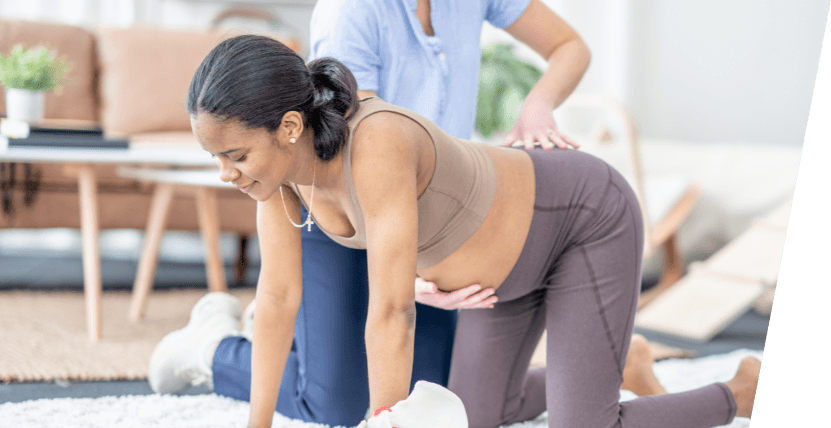
A qualified clinical physiotherapist guides you through a specialized set of exercises during and after pregnancy to help your body prepare for a smooth birth and accelerate your post-delivery recovery.
The most common misconception about physiotherapy is that it is strictly a remedy for people recovering from accidents or sports-related injuries. In reality, antenatal physiotherapy is an exceptional, non-invasive remedy to alleviate, manage, and completely prevent the painful symptoms that a diverse range of pregnant women experience.
While the majority of expectant mothers complain of lower back pain, a changing body faces stress in several other key areas. A structured pregnancy physiotherapy program is highly effective at managing and treating:
Lower back pain and upper back pain
Stiff, aching joints
Sciatica: Sharp pain radiating from the lower back, through the hips and buttocks, and down the leg.
Carpal Tunnel Syndrome: Numbness, weakness, or a tingling sensation in your hands and fingers.
Pelvic Floor Pain: Discomfort or acute pain localized in the front and back of the pelvis.
Diastasis Recti: The stretching and separation of the abdominal muscles, which can also lead to bladder control issues.
Expectant mothers and new parents benefit deeply from specialized physiotherapy sessions by physically preparing their bodies for childbirth, ensuring a smoother, safer delivery process.
Lower back pain is the most frequent complaint during pregnancy. While both men and women naturally produce a hormone called relaxin, its production shoots up dramatically in pregnant women during the second trimester.
Relaxin relaxes the ligaments in the pelvis to widen the birth canal for childbirth. However, it also temporarily loosens other joints and ligaments throughout the entire body. This extended loosening makes muscles work twice as hard, leading to chronic back strains. Targeted exercises and prenatal massages help alleviate muscle pain while maintaining essential core strength.
A weakened pelvic floor can lead to embarrassing urinary leakage (incontinence), localized pain, and pelvic organ prolapse. Physiotherapists design custom pelvic floor regimens based on your current physical condition to strengthen these deep muscles.
As the uterus grows, it can compress the sciatic nerve path running from the lower back down the legs. Symptoms include sudden numbness, burning, or tingling down one side of the lower body. Clinical physiotherapists utilize safe, specialized stretching techniques and manual therapy to relieve nerve pressure instantly.
During pregnancy, your total blood volume increases significantly. This extra fluid can pool in the wrists, compressing the median nerve and causing pain or weakness in the hands. Specialized hand and arm exercises improve consistent blood circulation and reduce fluid retention.
As your baby grows, your lower back muscles curve deeper forward to make room for the expanding belly, shifting your center of gravity. This forward shift alters your natural posture, straining your spine. Physiotherapy actively corrects these postural changes, preventing long-term spinal issues.
Because your body goes through a rapid physical transition over a very brief period, joints and muscles inevitably become stiff and locked. Targeted physical therapy releases this deep tissue tension and restores daily flexibility.
Diastasis Recti is the physical separation of the left and right abdominal muscles as the belly expands. If left unmanaged, it leads to a persistent post-pregnancy belly bulge and core weakness. Postnatal physical therapy safely reunites these abdominal walls, facilitating a much faster recovery after giving birth.
A smooth, natural delivery requires an immense amount of physical endurance, hip mobility, and core flexibility. Engaging in structured prenatal activities keeps your body active and builds stamina. Studies show that mothers who utilize physiotherapy consistently experience shorter labor times and smoother deliveries.
To give you and your baby the safest care, physiotherapy goals adapt dynamically across your three trimesters:
| Trimester | Clinical Focus | Core Interventions |
|---|---|---|
| First Trimester (Months 1-3) | Posture & Education | Correcting workplace and home ergonomics, introducing safe lifting techniques, and managing pre-existing muscle/joint issues. |
| Second Trimester (Months 4-6) | Flexibility & Strength | Deep core and spine strengthening exercises, pain management, and specialized stretching to enhance overall maternal fitness. |
| Third Trimester (Months 7-9) | Labor Coping Strategies | Guided breathing exercises, deep muscle relaxation techniques, labor positioning training, and active pushing mechanics. |
While practicing physical therapy is incredibly beneficial during and after your pregnancy, it is absolutely vital to perform these exercises safely. Incorrect movements can put undue strain on both you and your baby. That is why having an expert oversee your movements is crucial.
Apollo Homecare provides premium, hospital-grade physiotherapy services for pregnant women right at your doorstep. Our expert team evaluates your unique medical history to craft an individualized, highly monitored exercise program tailored to your pregnancy goals.
To experience personalized guidance, safety, and care without leaving your home, connect with our care coordinators today.

Written by:
He is an expert writer with over 10 years of experience in healthcare. He writes on a variety of healthcare subjects.


