

Select City


Select City
Date of posting: 02-03-2025
Reading time: 7 min read
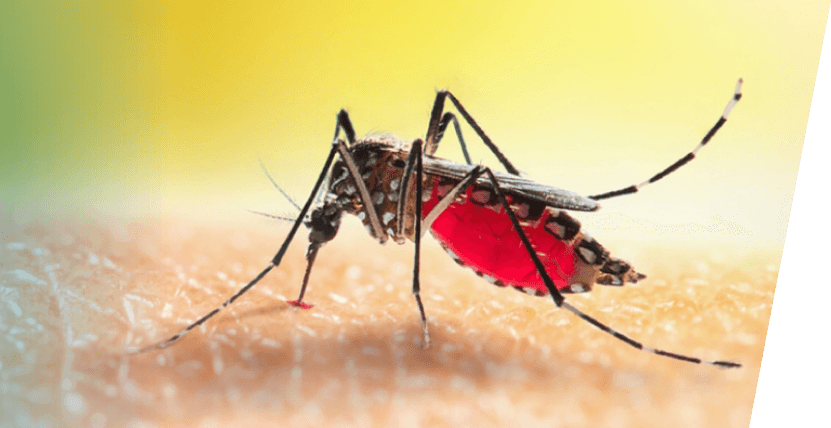
Even though they are relatively small in size, mosquitoes represent a massive and significant threat to human health all over the world. This is true regardless of geographical location. It is common clinical knowledge that these minuscule insects act as lethal vectors, meaning they actively transmit dangerous viruses and microscopic parasites from person to person.
Among the illnesses carried by these insects, the West Nile virus, dengue fever, the Chikungunya virus, the Zika virus, and malaria are the most notorious. To draw urgent public attention to this global health concern, World Mosquito Day is observed annually on August 20th. This global event highlights the critical significance of preventing these diseases, expanding public education, and driving proactive community involvement.
Mosquitoes are far more than just a summer nuisance. Malaria remains the most infamous mosquito-borne illness, particularly in sub-Saharan Africa, where it is responsible for the tragic deaths of hundreds of thousands of people each year—a cycle of transmission that has plagued generations. Concurrently, recent years have witnessed explosive, widespread outbreaks of dengue fever and the Zika virus, disrupting the lives of millions of individuals globally.
Commonly found in tropical and subtropical zones, mosquitoes develop, breed, and multiply rapidly in stationary water. While they naturally thrive in warm, humid conditions, rapid urbanization and global climate change have significantly extended their geographical influence. This environmental shift brings vector risks to entirely new populations who previously faced minimal exposure.
Reducing the deep impact of mosquitoes on public health depends heavily on increasing public knowledge regarding the hazards they pose. By raising awareness of these environmental dangers and advocating for timely preventative actions, World Mosquito Day plays an irreplaceable role in global health.
Effective awareness campaigns take many modern forms, including structured school educational programs, local community workshops, and wide-reaching social media initiatives. These coordinated campaigns aim to inform families about the absolute importance of vector control, giving them the practical tools and knowledge they need to safeguard their households and neighborhoods.
Preventing insect bites serves as your absolute first line of defense against transmission. Incorporate these evidence-based habits into your family's daily calendar to ensure maximum safety:
Utilize Certified Insect Repellent: Apply a medical-grade mosquito repellent containing active ingredients like DEET, picaridin, or oil of lemon eucalyptus directly onto exposed skin and clothing. This is vital when spending time outdoors during high-risk seasons.
Wear Protective Clothing: Whenever possible, wear long-sleeved shirts, full-length pants, and thick socks to drastically reduce skin exposure. Choosing light-colored clothing is highly recommended, as dark hues are naturally more attractive to mosquitoes.
Install and Repair Protective Screens: Keep mosquitoes out of your indoor living spaces by installing high-mesh window and door screens. Routinely check and immediately repair any microscopic holes or tears to maintain a secure barrier.
Ruthlessly Eliminate Breeding Sites: Because mosquitoes lay their eggs exclusively in stagnant water, keep household flowerpots, birdbaths, air cooler trays, and roof gutters empty, clean, and dry on a regular basis. Ensure all water storage barrels are covered tightly with airtight lids.
Deploy Insecticide-Treated Nets: Sleeping under a fine-mesh mosquito net provides an essential layer of physical protection, especially in malaria-endemic zones. Utilizing nets impregnated with safe insecticides exponentially increases their clinical efficacy.
Avoid Outdoor Peak Hours: Mosquitoes exhibit peak biting activity during the twilight hours of dawn and dusk. Stay indoors during these times or take maximum defensive precautions if you must step outside.
Leverage Indoor Airflow with Fans: Mosquitoes are notoriously weak flyers. Utilizing ceiling fans or high-powered portable fans in indoor and semi-outdoor seating spaces creates a heavy air current that effectively keeps them away.
Isolated efforts are never enough to halt a vector outbreak; true safety requires structured, localized community health solutions. Neighbors can easily collaborate to implement effective mosquito control measures through several core actions:
Organize Dedicated Clean-Up Campaigns: In honor of World Mosquito Day, communities can coordinate neighborhood clean-up drives to eliminate potential breeding grounds by gathering and safely disposing of discarded trash, abandoned tires, and plastic debris that collect pooling rainwater.
Promote Local Awareness Programs: Local health departments, apartments, and community centers can host interactive workshops and distribute simple, multi-lingual informational materials to ensure every resident understands prevention.
Support Specialized Vector Control Initiatives: Encourage community members to actively welcome and support local municipality vector initiatives, including routine mosquito surveillance, community fogging, and the systematic application of eco-friendly larvicides in open drains.
Engage Directly with Local Authorities: Partner with local government engineering cells to advocate for essential structural infrastructure improvements, such as clearing clogged public drainage systems, paving uneven roads, and properly maintaining public parks.
In addition to traditional prevention tips, global researchers are actively pioneering cutting-edge, innovative solutions to turn the tide against mosquito-borne pathogens:
Advanced Genetic Control: Scientists are exploring targeted genetic modifications to suppress vector numbers. For example, releasing genetically engineered male mosquitoes that produce sterile offspring helps naturally collapse wild populations without harming local ecosystems.
Targeted Biological Control: Introducing natural, eco-friendly predators—such as specific fish species or beneficial insects that feed aggressively on mosquito larvae—helps control populations completely free of synthetic chemicals.
Innovative Trapping Technology: The deployment of highly advanced mosquito traps that utilize specialized chemical attractants (mimicking human scent) combined with targeted insecticides drastically lowers mosquito density across specific properties.
New-Age Vaccines: Global medical research centers are consistently upgrading highly effective vaccines for malaria and dengue fever, providing a vital layer of long-term biological protection for vulnerable populations worldwide.
World Mosquito Day stands as a potent annual reminder of the profound global health impact of these tiny insects and underscores the life-saving importance of continuous prevention. By educating families, encouraging robust community participation, and backing modern clinical innovations, we can successfully lessen the burden of vector-borne illnesses. Protecting vulnerable individuals—such as young children, pregnant women, and senior citizens—is a collective responsibility. Let us rise up, implement these simple safeguards, and do our part to keep our households entirely safe.
At Apollo Homecare, we are thoroughly committed to enhancing the vitality and well-being of our communities through proactive health management, doorstep clinical diagnostics, and personalized care solutions. We believe that true healthcare goes beyond treating a disease—it is about establishing a shield of prevention right where you live.
Through our expert at home healthcare management services, we empower families to safeguard their households against seasonal vector threats. Whether you require professional home nursing to manage a patient recovering from severe dengue, doorstep laboratory blood tests for rapid fever diagnostics, or physician-guided wellness advice for your elderly parents, our qualified healthcare teams are here to support you. Let Apollo bring world-class clinical precision and total peace of mind directly to your bedside.
To speak with a wellness coordinator or to arrange a preventative medical service at home, reach out to our team today:
Call Our Toll-Free Helpline: 1800 102 8586
Direct Care Email: reach@apollohomecare.com

Written by:
Apollo HomeCare is a trusted name in home healthcare, dedicated to delivering world-class medical care to patients in the comfort of their homes. With a team of expert doctors, nurses, and therapists, Apollo HomeCare provides personalized healthcare solutions, from post-surgical care and chronic disease management to physiotherapy and elder care. As a thought leader in the healthcare industry, Apollo HomeCare shares insightful blogs on home healthcare trends, wellness tips, and expert medical guidance to help individuals and families make informed health decisions. Our mission is to ensure quality healthcare is accessible, convenient, and compassionate.


